
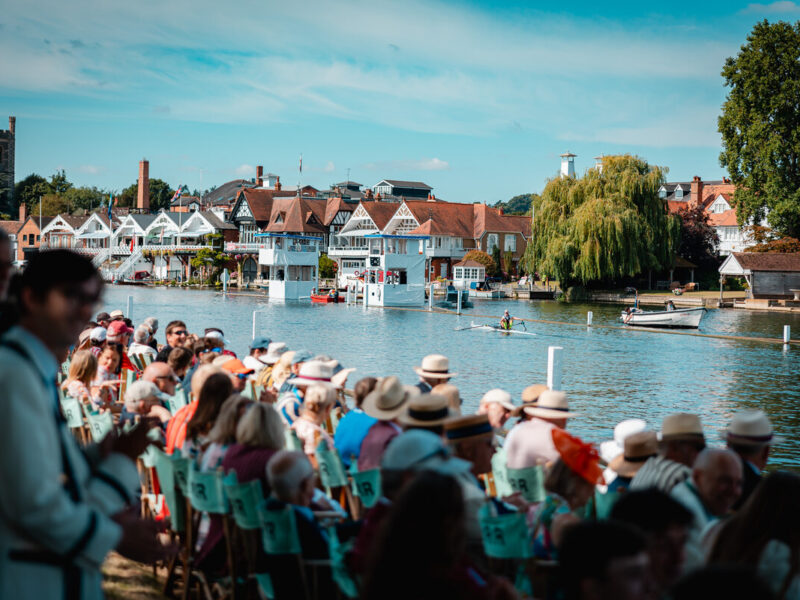
The Henley Royal Regatta has always carried an aura of English summer glamour—an annual ritual where elegance, heritage, and athletic brilliance converge on the glittering ribbon of the Thames. This year, as I arrived with my good friend Saya and our fun-loving toddlers—Xavier, my son, and Evie, her daughter—the regatta revealed an even deeper resonance. Beneath the immaculate lawns and the soft rustle of striped blazers, Henley was celebrating a milestone: 50 years of women’s Olympic rowing, marked by a historic gathering of female Olympians from every Olympiad since 1976.
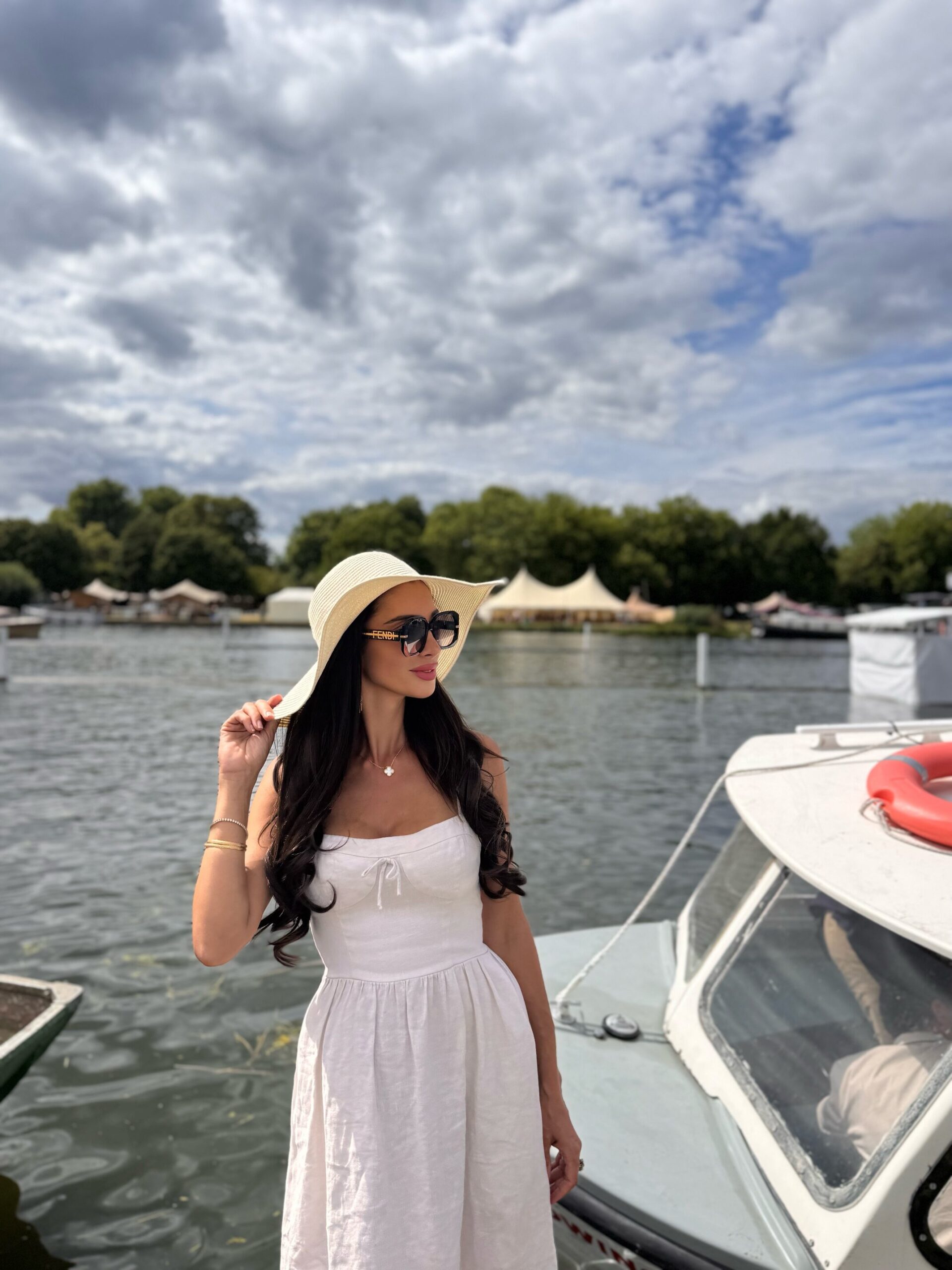
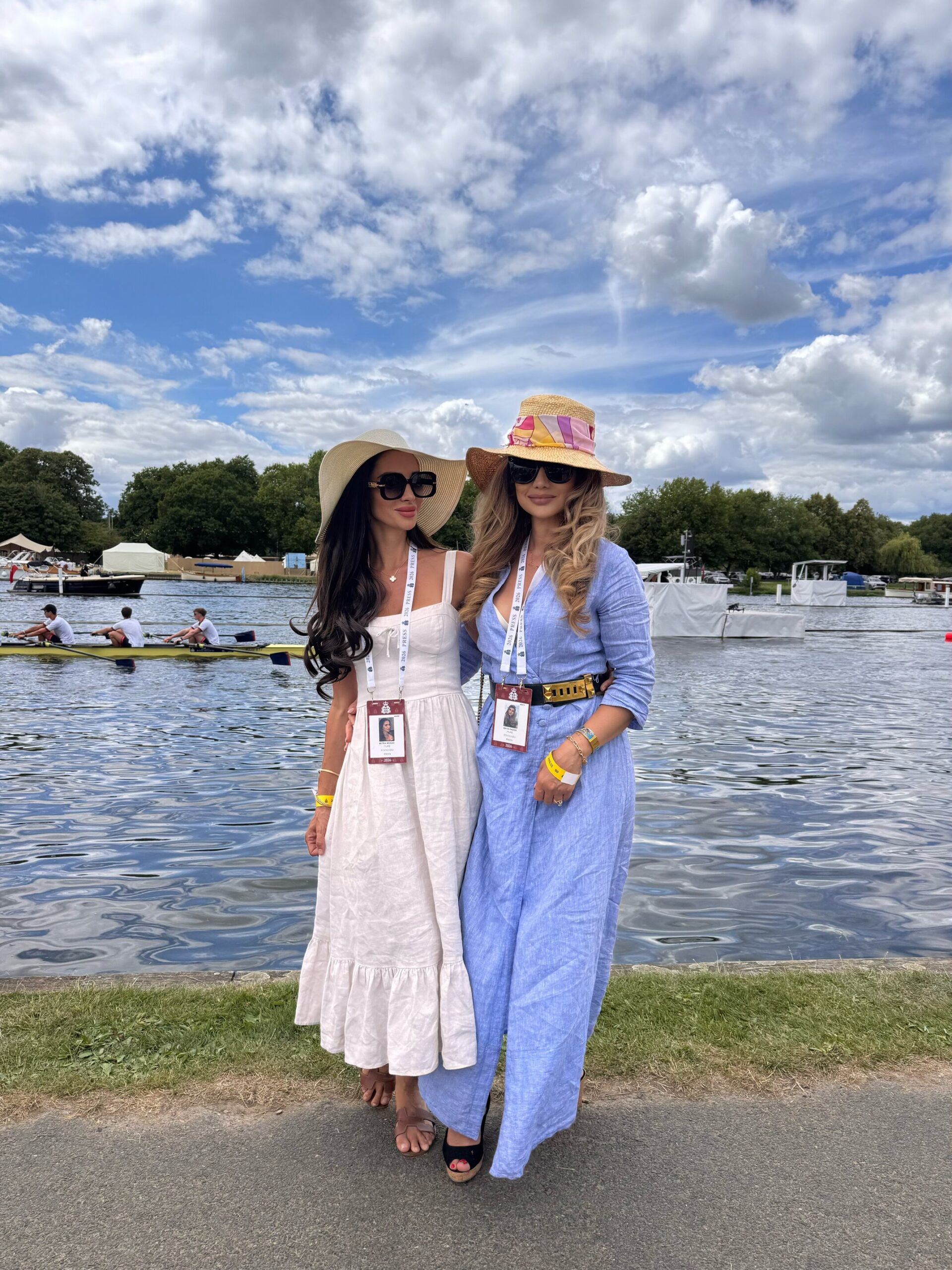
It felt fitting that such a moment unfolded here, at a place where tradition is not merely preserved but continually re‑imagined. As Saya and I stepped onto the riverbank – both coincidently in cool, billowing linen dresses —the river shimmered with anticipation. Xavier paused, mesmerised by the racing boats slicing through the water, while Evie toddled forward with fearless curiosity, her green floral frock fluttering like a tiny couture moment.
From the moment we stepped onto the riverbank, Henley felt like stepping into a world where time moves differently. The air was warm, the river gleamed like liquid silver, and the rowers—sleek, sculpted, impossibly focused—cut through the water with the kind of precision that makes you stand a little straighter. Even Xavier, who usually reserves his awe for construction vehicles, paused mid‑stride, his wide eyes following the boats as though witnessing a kind of magic.
Henley’s familiar hum—Pimm’s glasses clinking, conversations drifting like perfume—was enriched by the presence of women whose achievements have shaped half a century of sporting history. Dame Katherine Grainger, Team GB’s joint most‑decorated female Olympian, stood among them, reflecting on the significance of the reunion. “This is 50 years of history,” she said, her voice carrying the weight of legacy. “I don’t think we’ve ever been able to gather people from every Olympics since 1976 in the same room, on the banks of the Thames in Henley during the Regatta to celebrate an incredible moment in history.”
For Katherine, now chair of the British Olympic Association, Henley was the natural home for such a celebration. “Every year, amazing crews and people we’ve met through rowing come back to Henley. It’s an annual pilgrimage. And we’re standing on the shoulders of the women who have had huge successes through the Olympic movement; we’re all here because of them.” Her words lingered in the air, weaving themselves into the regatta’s timeless soundtrack.
As Xavier pointed out the bold stripes of club blazers with the seriousness of a miniature fashion editor, I found myself drawn into conversations about the women who first carved space for themselves on this river. Maria Brandin—one of the first women to row the full Henley course in 1993—was here too, now this year’s prizegiver. Katherine recalled watching her race: “When you saw Maria Brandin coming down the course, you knew it was something special.” Maria herself reflected on those early days with understated grace: racing at dawn and dusk so men could have the prime crowds, simply grateful for the chance to compete.
Nearby, Olympians from Montreal 1976 shared memories of their pioneering journey. Beryl Mitchell, winner of Henley’s first invitational women’s single sculls in 1982, was remembered by 2012 Olympian Jo Cook as the woman who introduced her to rowing—“the only reason I’m able to be here today.” Gillian Webb, who rowed alongside Beryl in Montreal, spoke of the thrill and hardship of competing at the first Games to include women’s rowing, her eyes bright with the same determination that carried her through the coxed four at just eighteen.
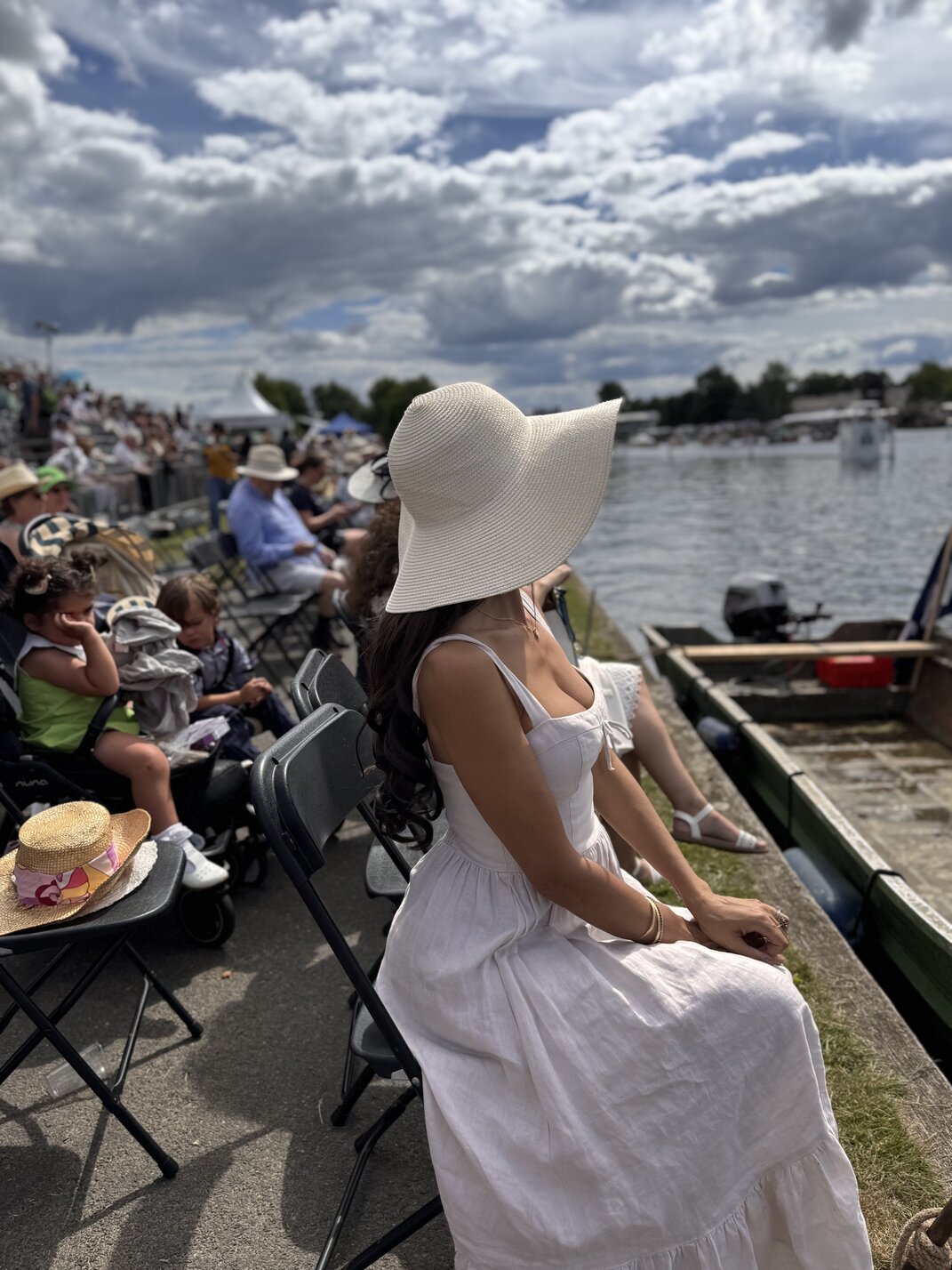
Saya and I were escorted to watch the racing boats by a delightful chap called Andy and were thrilled to have seats right near the water. Cheers from the crowd filled the balmy summer air and when the Kings university team sped by, us Londoners found ourselves cheering along fervently.
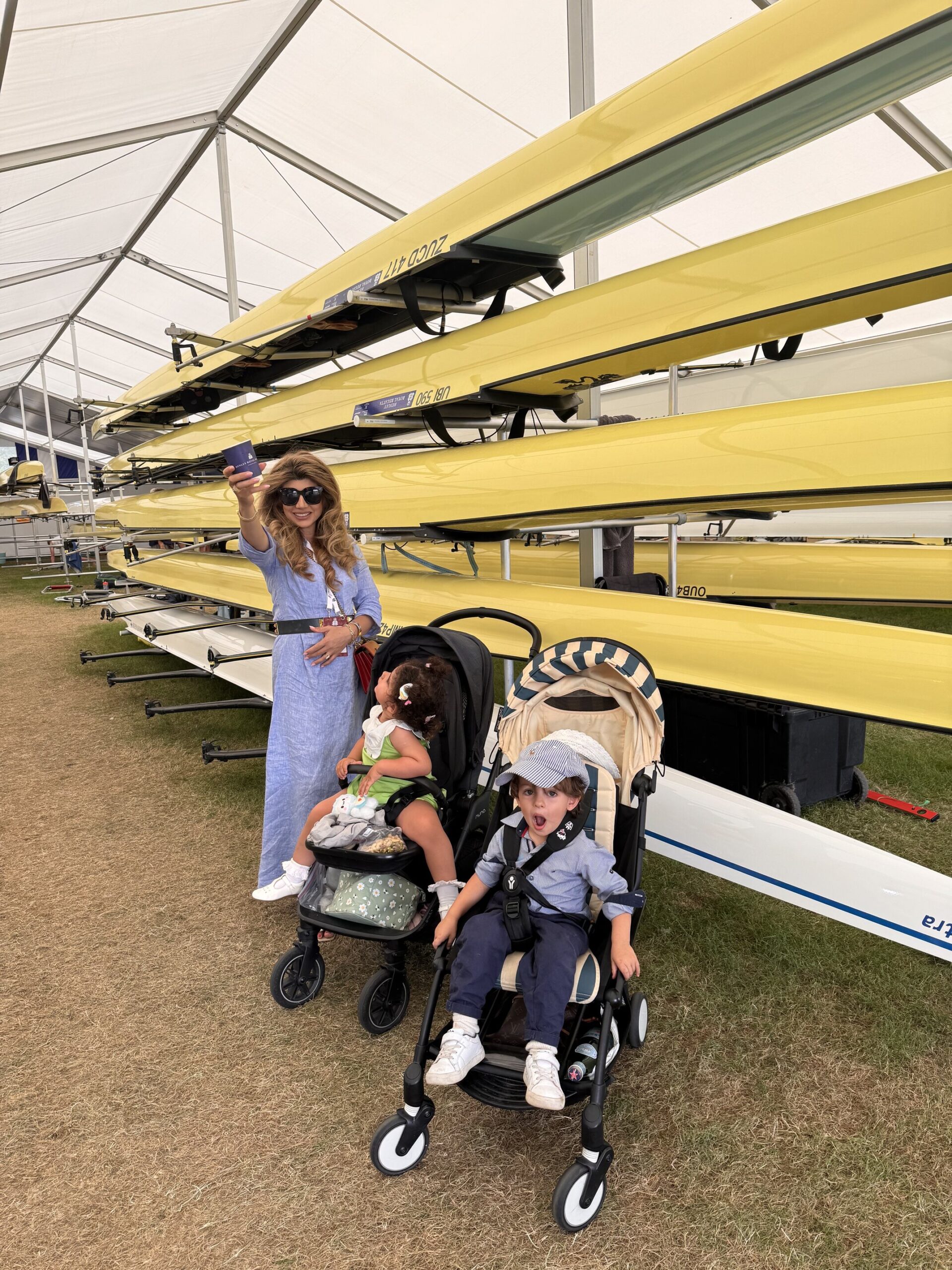
Our memories of Henley had always been of single, childless women, sipping on champagne and mincing off to the afterparties to dance the summer night away. This year was certainly different with our rampaging toddlers in tow, but in a surprisingly more enjoyable way as we watched the invigorating atmosphere around us through excitable young eyes.
As afternoon races intensified, the river pulsed with energy. Zoe de Toledo, silver medallist from Rio 2016, spoke of the “huge amount of power” in the room of Olympians gathered the night before. “We really were standing on the shoulders of those who’d come before us,” she said, echoing a sentiment that seemed to ripple through the regatta like a current. Jess Eddie, also a Rio silver medallist and now a Steward of the Regatta, described the celebration as “so special… a big celebration of what everyone’s achieved.”
Even the newest generation of champions was present. Hannah Scott, Paris 2024 Olympic Champion, preparing to race in The Princess Grace Challenge Cup, reflected on the privilege of listening to the women who paved the way. “I just love to listen… I want to soak up every moment.” Her words felt like a bridge between past and future, much like Henley itself.
Richard Phelps, Chairman of Henley Royal Regatta, captured the poignancy of the moment: “It’s somewhat ironic given that most of these women couldn’t row at Henley when they were competing. But Henley can adapt, it can progress, and it can rejoice. And it is of course the world’s best venue for any reunion.”
By late afternoon, the sun softened into a golden haze. Xavier rested his head on my shoulder, Evie dozed in Saya’s arms, and the river behind us shimmered with the echoes of races, laughter, and half a century of women’s triumphs.
Henley has always been synonymous with refinement, but this year it felt richer—an elegant tapestry woven with friendship, family, and the extraordinary women who reshaped the sport. Luxury, I realised, is not only found in exquisite settings, but in moments that linger: the soft river breeze, the shared stories of trailblazers, the sight of our toddlers running freely across the grass, inheriting a world made more equal by the women who came before.
Featured image: Henley Royal Regatta / Row360

