
London’s dining scene embraces cuisines from around the world, yet Indonesian food remains surprisingly underrepresented. Toba, tucked just off Piccadilly Circus in St James’s Market, is working to change that. It champions a cuisine shaped by the extraordinary diversity of the Indonesian archipelago, and it does so in a room that feels more like a family home than a West End dining destination.
The restaurant sits on a quiet corner of the St James’s Market development, a few minutes’ walk from the theatres, shops and offices of the West End, in the space once occupied by Ikoyi. It is named after Lake Toba in northern Sumatra, where chef-patron Pino Sinaga’s family is from. Sinaga spent years working in some of London’s smartest dining rooms, including Chiltern Firehouse and Annabel’s, before launching Pino’s Warung, a street food stall in Camden Market, in 2019. Toba is its more polished sister, and it is built around the recipes of his late mother.
Step inside and the mood is relaxed and warm. It feels like sitting down to Sunday lunch at your Indonesian grandmother’s house. Dishes arrive for the table to share, the pace is unhurried, and the whole experience is built around eating together. Portions are generous, so it is easy to over-order and nobody minds. All meat is halal and there is no pork on the menu, though alcohol is served.
That approach reflects the cuisine itself. “Indonesian food is incredibly diverse because the country is made up of thousands of islands, and every region has its own flavours and traditions. It tends to be deeply spiced and slow-cooked, built on rich spice pastes (bumbu), with sambal (chilli relish) on almost every table,” explains Chef Sinaga.
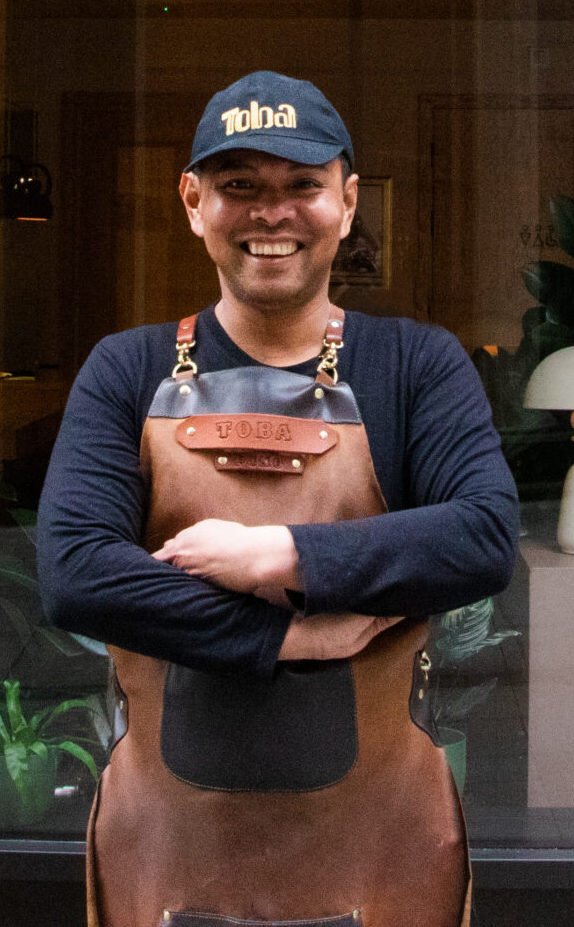
Sinaga is quick to place Indonesian cooking alongside its neighbours. Thai cooking, he says, is often brighter and more focused on balancing sweet, sour, salty and spicy, with lots of fresh herbs, lime and fish sauce. Malaysian food is the closest cousin to Indonesian, but it blends Malay, Chinese and Indian influences, so the dishes often taste different even when the names are similar. The three cuisines share a lot: lemongrass, turmeric, coconut milk and chilli are all at the heart of the cooking, rice is the centre of the meal, and food is meant to be shared. Satay and rendang appear across the region, each with its own local twist and flavour.
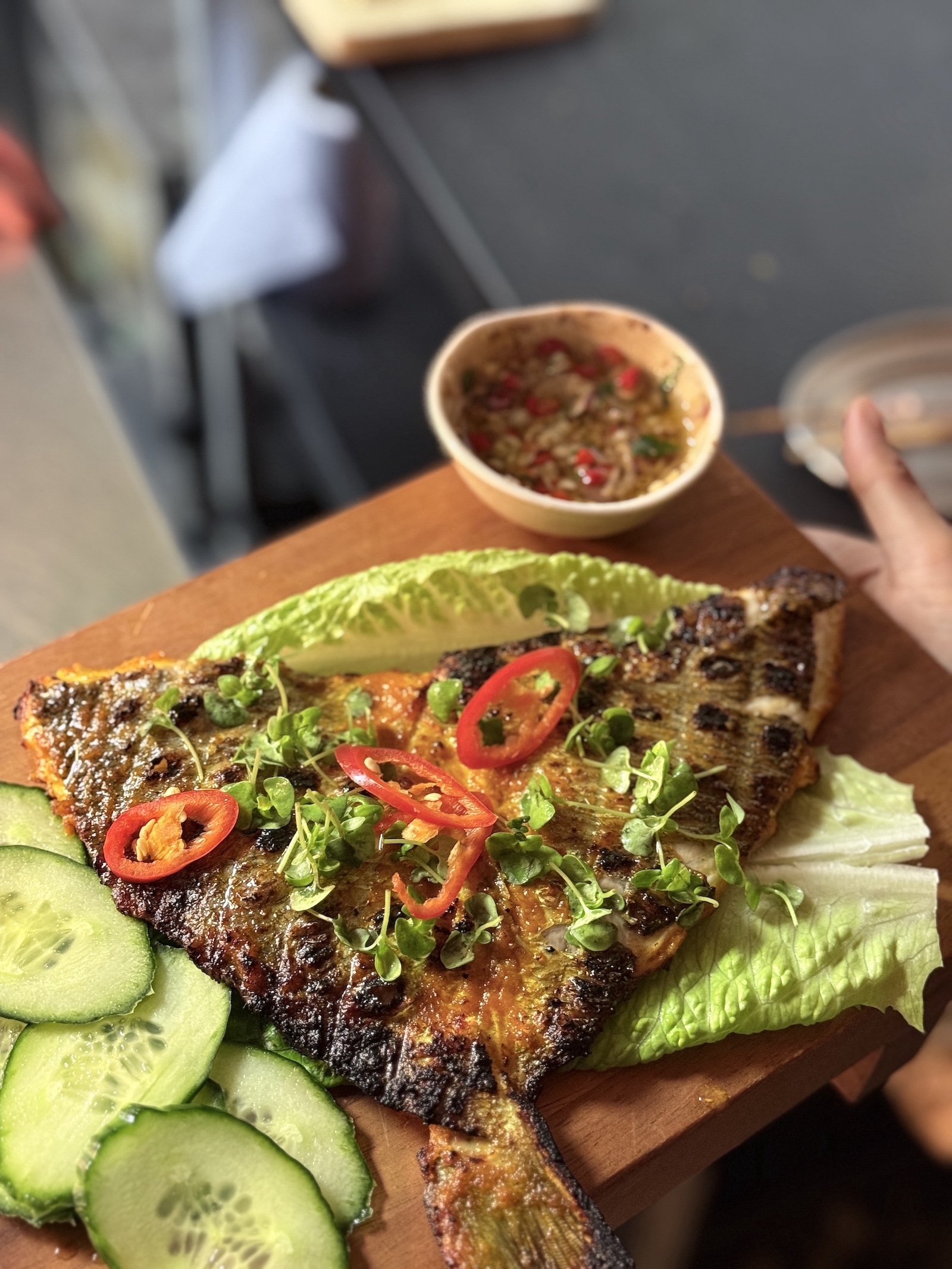
The menu goes well beyond the familiar. The rendang is beef slow-cooked in coconut milk and spices until tender and deeply flavoured, and it is the dish most diners will already know by name. The gulai kambing, a rich, aromatic curry, rewards anyone who wants something deeper and more fragrant. Then there is ikan arsik, a Batak-style cod cooked with torch ginger and andaliman pepper. It is a dish close to the restaurant’s heart, because it is the recipe of Sinaga’s late, beloved mother, and it has become one of the restaurant’s bestsellers. Cooking it for guests carries a personal weight that is hard to miss.
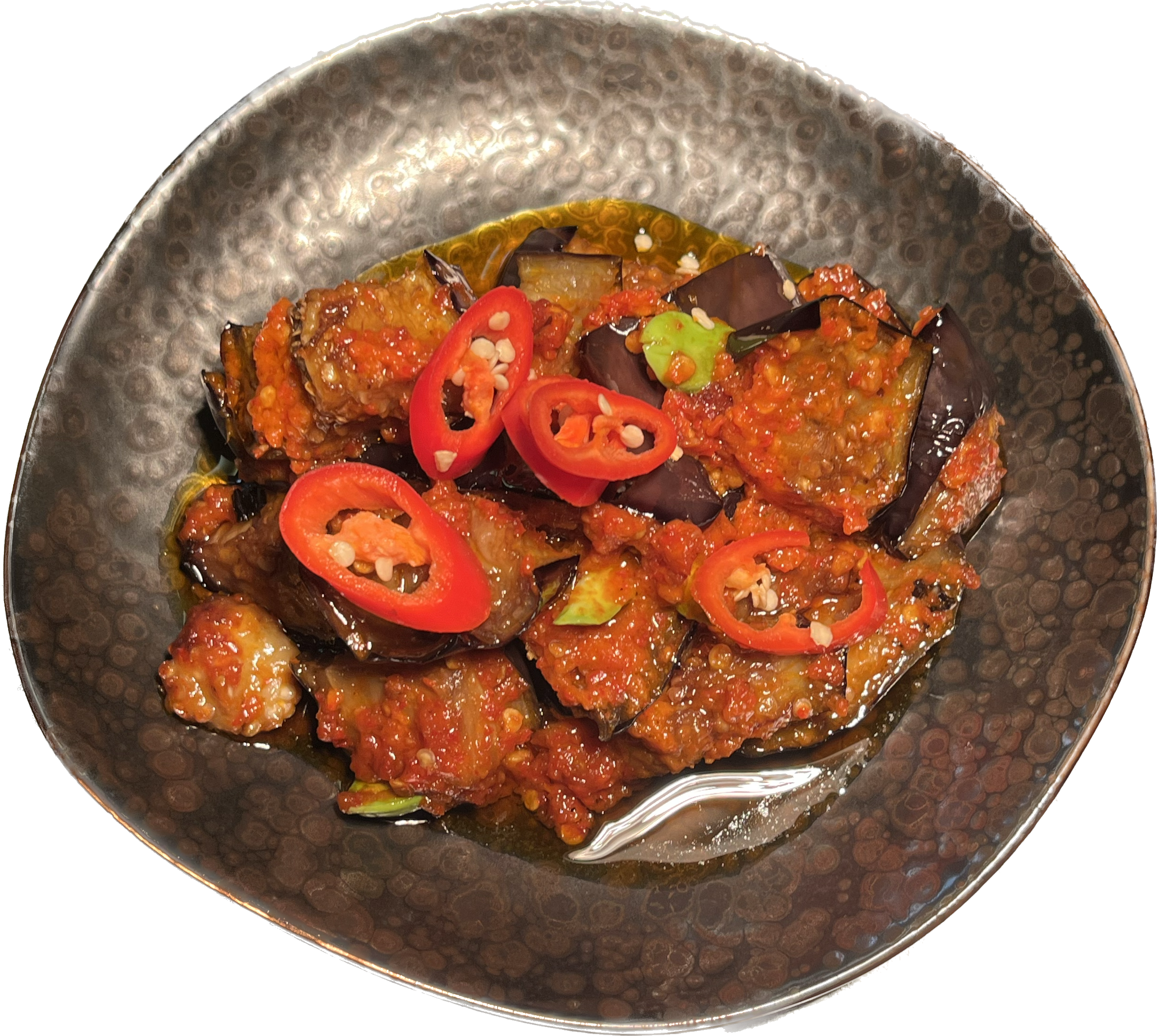
Vegetarians are well looked after. Terong balado is aubergine in a spicy chilli sambal, and gulai daun singkong pete combines cassava leaves and stink beans in a fragrant, creamy gulai sauce. Neither feels like an afterthought, and both show how much of the cuisine’s depth comes from its sauces and spice pastes rather than from meat.
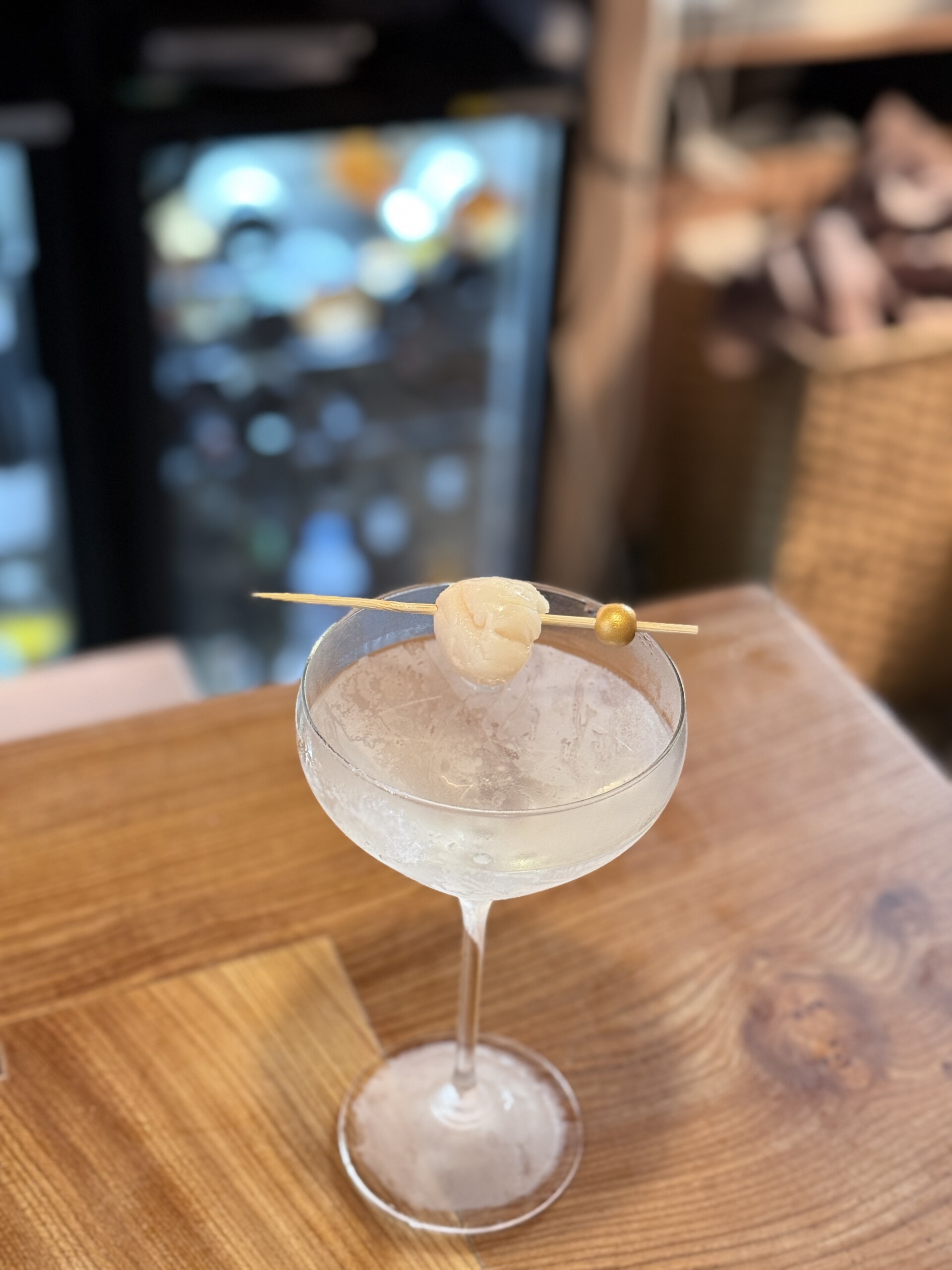
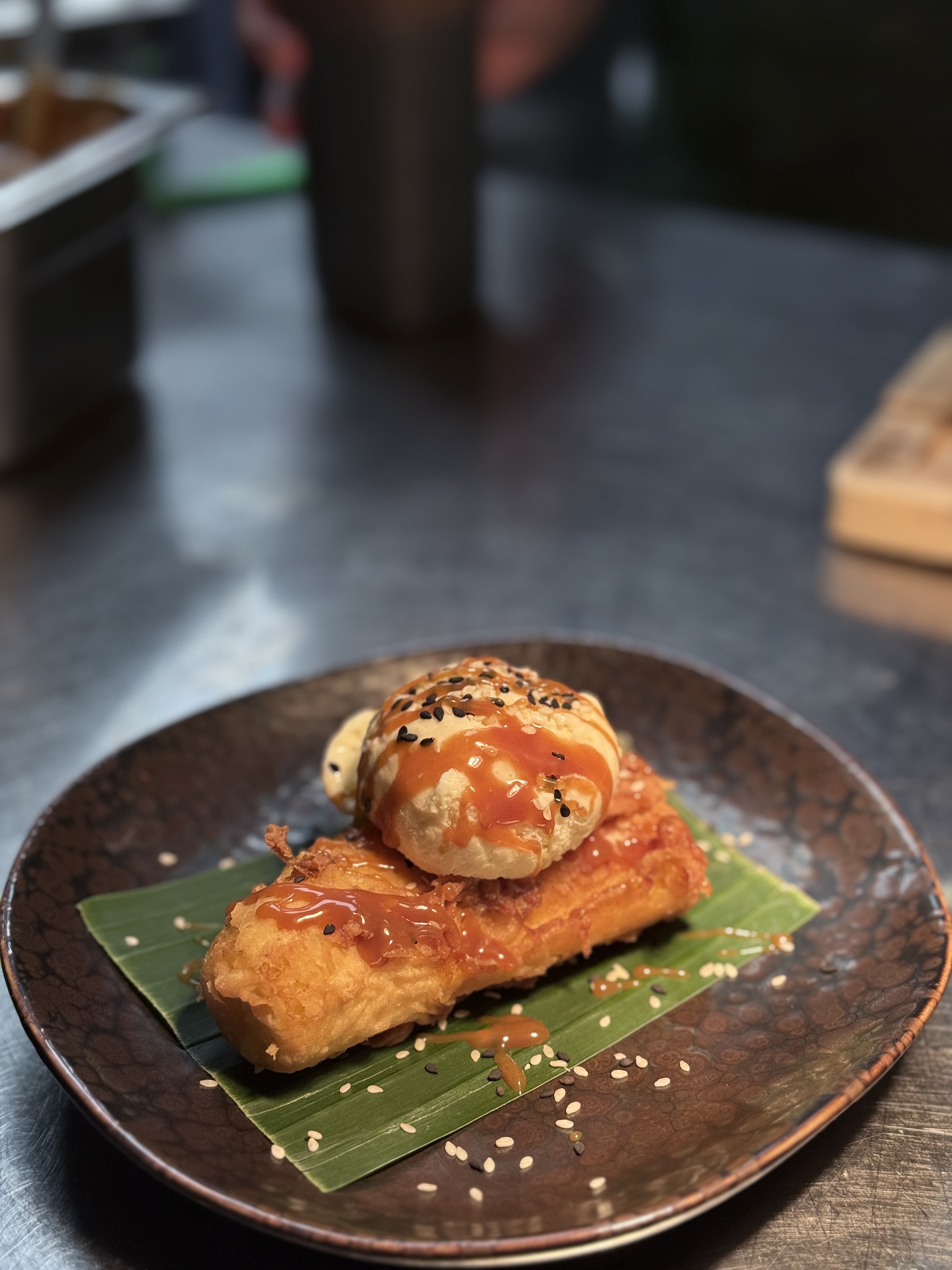
The drinks deserve attention too. They are interesting and carry an unmistakably Indonesian flair, the kind that makes you wish you were sitting beside a pool in Bali. And the standout dessert is a street snack named pisang geprek, a fried cassava drizzled with caramel sauce and paired with ice cream. Truly, a simple pairing of hot, crisp and cold that is easily the best way to end the meal.
For Sinaga, putting that depth in front of Londoners is the point. “Indonesian cuisine is still relatively undiscovered in London, even though it is one of the most flavourful and varied in the world. We want guests to experience the real thing, cooked by Indonesians, made with traditional recipes and techniques, and to understand the stories and family traditions behind each dish.”
He says diners are often fascinated by the ingredients that make Indonesian food unique, and equally curious about the techniques behind it. Fresh spices are pounded into a paste, and dishes like rendang are cooked slowly for hours until the sauce reduces and the flavours deepen. Those methods take time, and they explain why the food tastes the way it does.
Since opening, Toba has been well received. Sinaga says the team has been very touched by the response. Guests have loved discovering dishes they had never tried before, and there has been strong interest from food writers, creators and fellow chefs, which has led to some exciting collaborations. “Many guests tell us they came out of curiosity and are already planning to come back with friends.”
 With relatively few Indonesian restaurants in the capital, Toba offers a compelling lens through which to examine why this complex, regionally diverse cuisine has yet to find a more prominent place in London’s culinary conversation. It also shows how chefs are bringing that heritage to a wider audience, one shared table at a time.

