
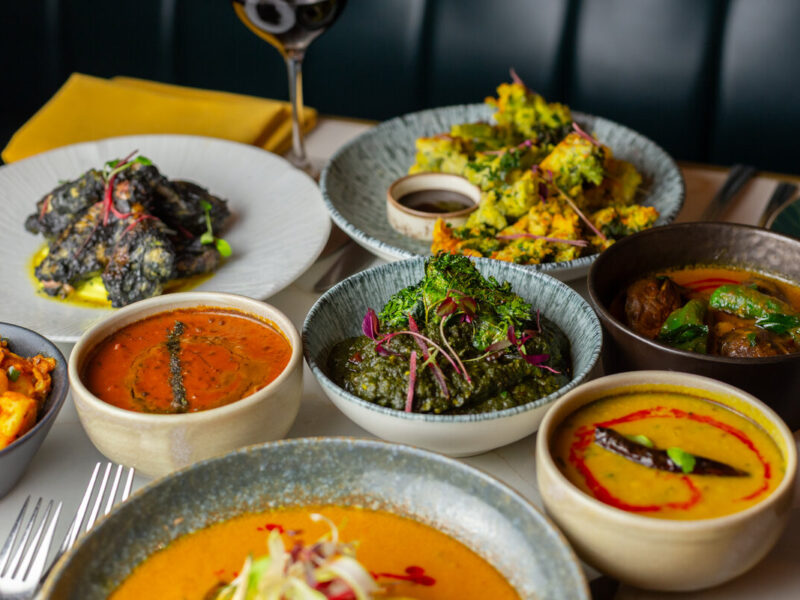
Dinner at Chatora City unfolds the way a great fashion story does — not loudly, but with a kind of confident, textural glamour that reveals itself layer by layer. Tucked moments from Bank and Mansion House, the restaurant has long been whispered about as one of the Square Mile’s rare intersections of modern Indian cooking and serious wine culture. But with Executive Chef Imamuddin Khan now at the helm — a Delhi-born talent shaped by kitchens like Dum-Pukht, The Cinnamon Club and Kahani — the space feels newly charged, as if someone has turned up the dimmer and let the colours breathe.
We arrived early on a warm evening, my wife balancing our toddler’s backpack while I navigated the pram through the City’s after-work tide. Inside, the room glowed with that particular Chatora warmth: busy tables, low conversation, the soft clink of wine glasses, and the inviting aroma of Indian home cooking. It’s the kind of hospitality that feels increasingly rare in London — relaxed, generous, unforced.
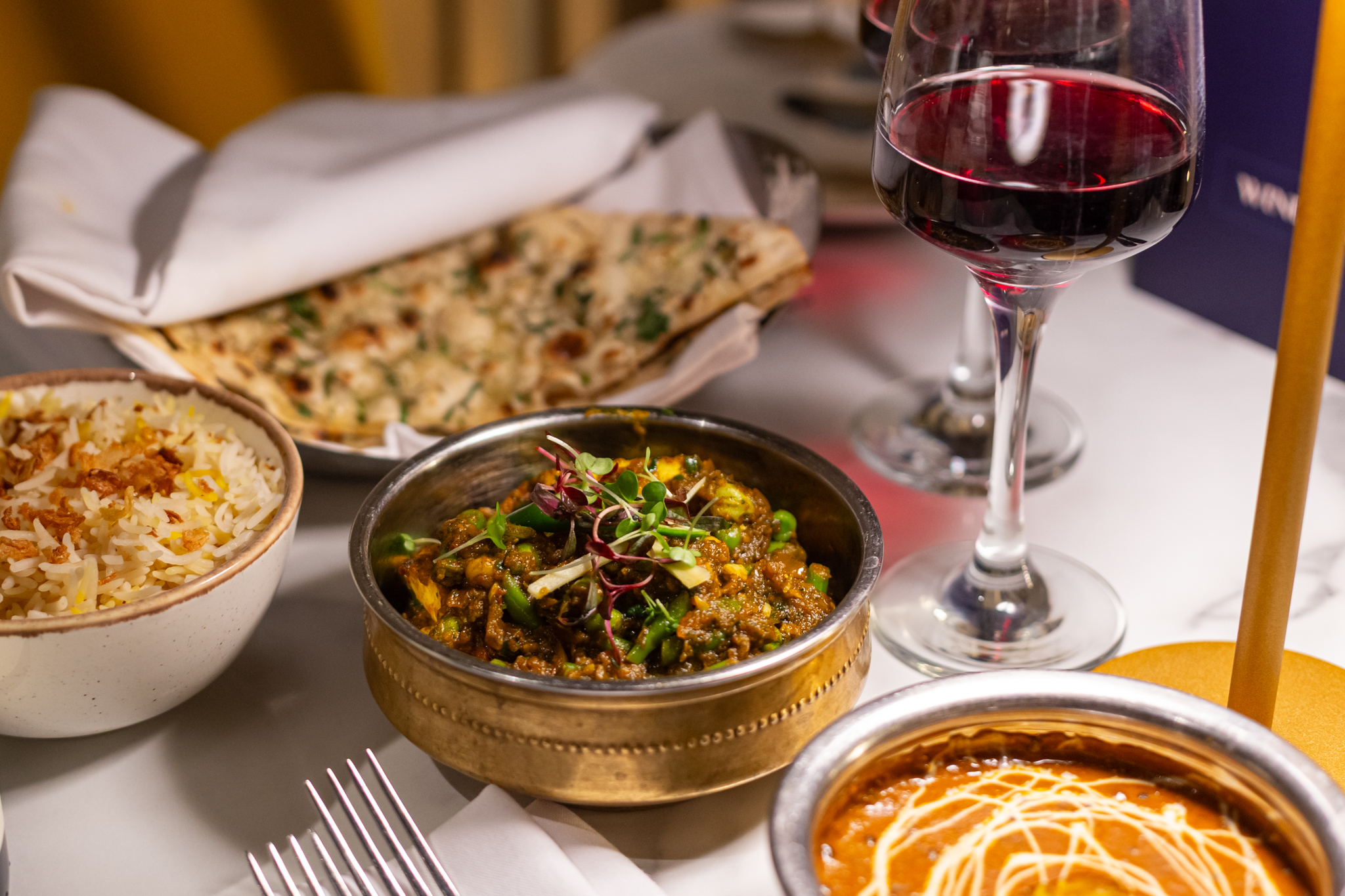
Chef Imamuddin’s menu reads like a conversation between eras: old-world technique meeting contemporary confidence. Everything is made in-house — the breads, the chutneys, the yoghurt — and the sourcing is meticulous, from organic vegetables to Launceston lamb. But what struck me most was the clarity of flavour. Nothing felt embellished for effect; every dish had purpose.
Our evening began with the Pithla Duck Salad, a plate that looked almost editorial in its composition. Pulled duck, tender and smoky, was folded through steamed chickpea croutons that had the bounce of something hand‑crafted rather than engineered. The tamarind dressing brought a glossy, amber sharpness — sweet, sour, and quietly addictive. My toddler stole more of it than I’d like to admit, dipping roti into the dressing with the solemn focus of a food critic.
Next came the Tellicherry Crab — soft shell crab dressed in Mangalorean spices, its edges crisped just enough to contrast with the delicacy of the meat. A smoked pepper gel added a whisper of heat, the kind that blooms rather than bites. It was a dish that felt both coastal and cosmopolitan, a reminder of Chef Imamuddin’s ability to bridge tradition with modernity without ever losing the thread.
For mains, the Burrah Rajasthani lamb rack arrived like a centrepiece. Marinated in soola paste, its exterior carried a deep, earthy char, while the meat inside was impossibly tender. The rock moss and fennel dressing brought a wild, aromatic brightness — the kind of detail that signals a chef thinking beyond the plate. Alongside it, we shared Butter Chicken, silky and indulgent, and Nali Nihari, a slow‑braised lamb shank that fell apart at the slightest nudge of a spoon. Paired with fluffy basmati rice and blistered tandoori roti, it was the kind of family-style spread that makes you slow down, talk more, and surrender to the moment.
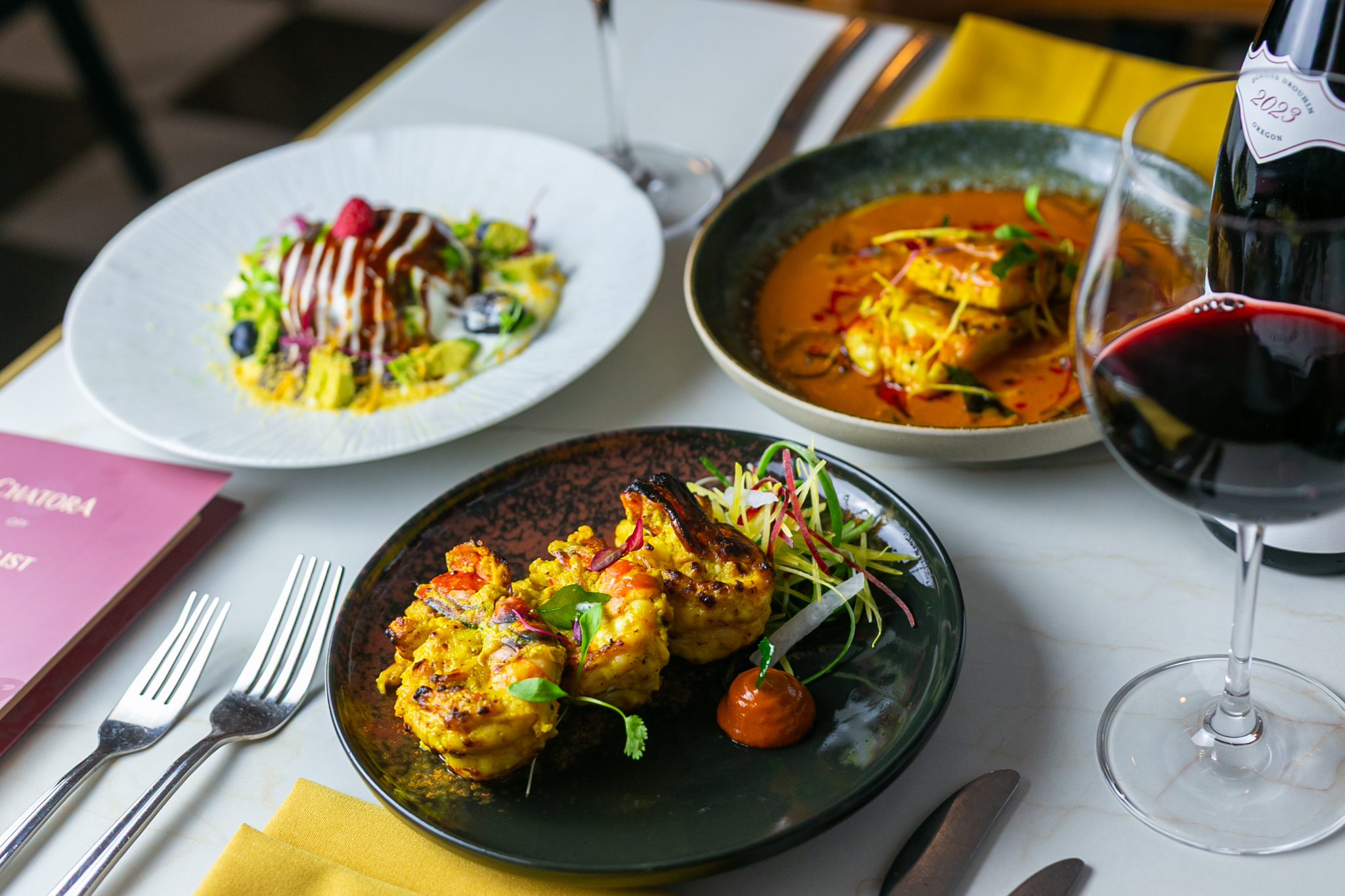
Chatora’s wine programme — over 120 bottles chosen specifically to complement spice — is one of the restaurant’s quiet triumphs. It’s rare to see a wine list this thoughtful in an Indian restaurant, and rarer still to see it executed with such confidence. The pairings felt intuitive rather than performative, each glass amplifying the food rather than competing with it.
Dessert was a mango and pistachio kulfi, cold and velvety, the mango bright enough to cut through the richness of the meal. My toddler, now fully committed to the evening, held it triumphantly like a trophy before melting it across his shirt. A small price for joy.
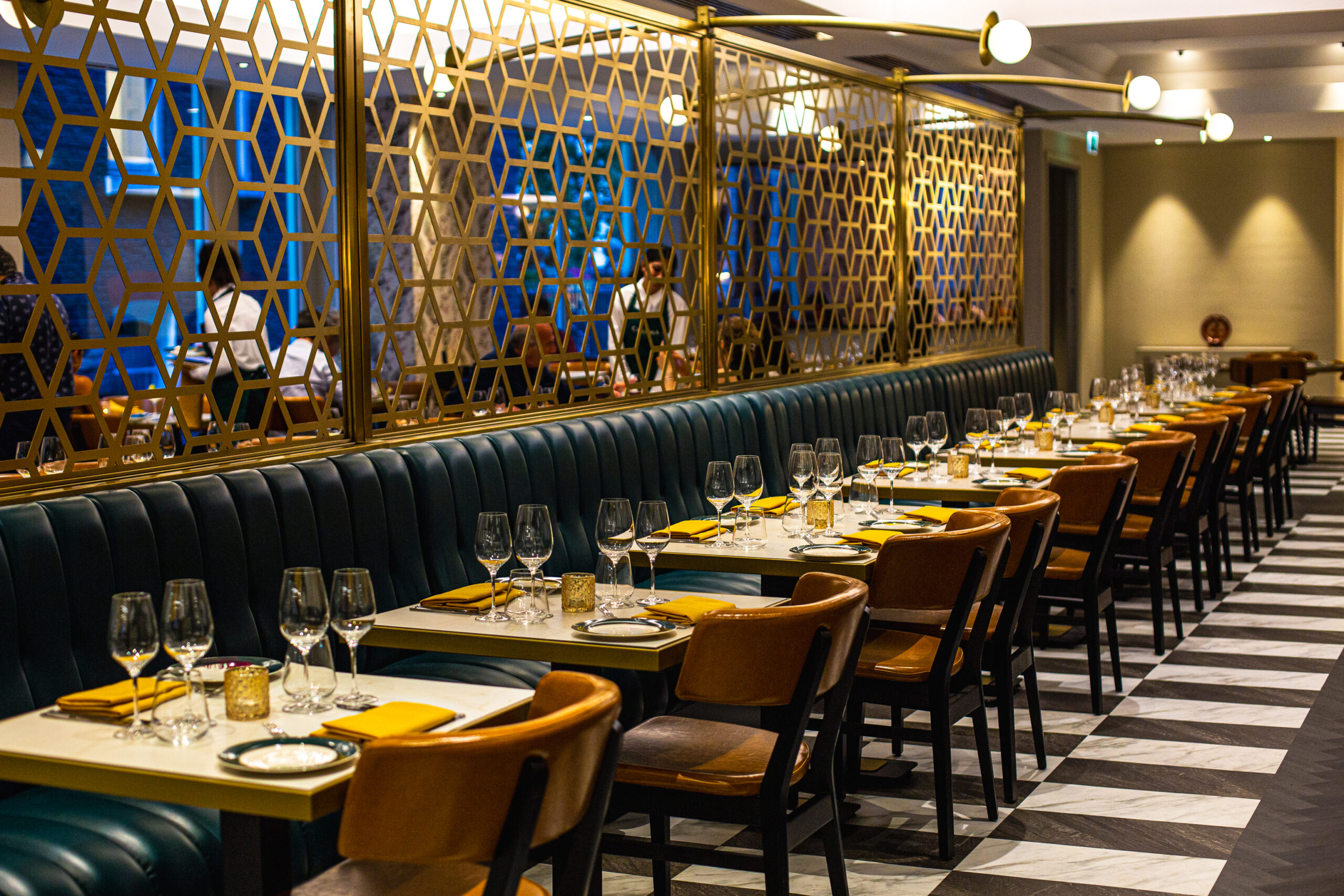
What sets Chatora City apart isn’t just the cooking — though the cooking is exceptional — but the philosophy behind it. Despite its premium feel, accessibility remains central: weekday lunch menus start at £19.95, and the atmosphere is intentionally unpretentious. It’s a place where City workers, families, wine lovers and regulars all fold into the same warm hum.
As we stepped back into the twilight city streets, my wife turned to me and said, “Well, that was an experience.” And she was right. Chatora City doesn’t just serve dinner; it creates a mood — one shaped by craft, generosity, and a sense of belonging that lingers long after the last spoon of homemade kulfi.

